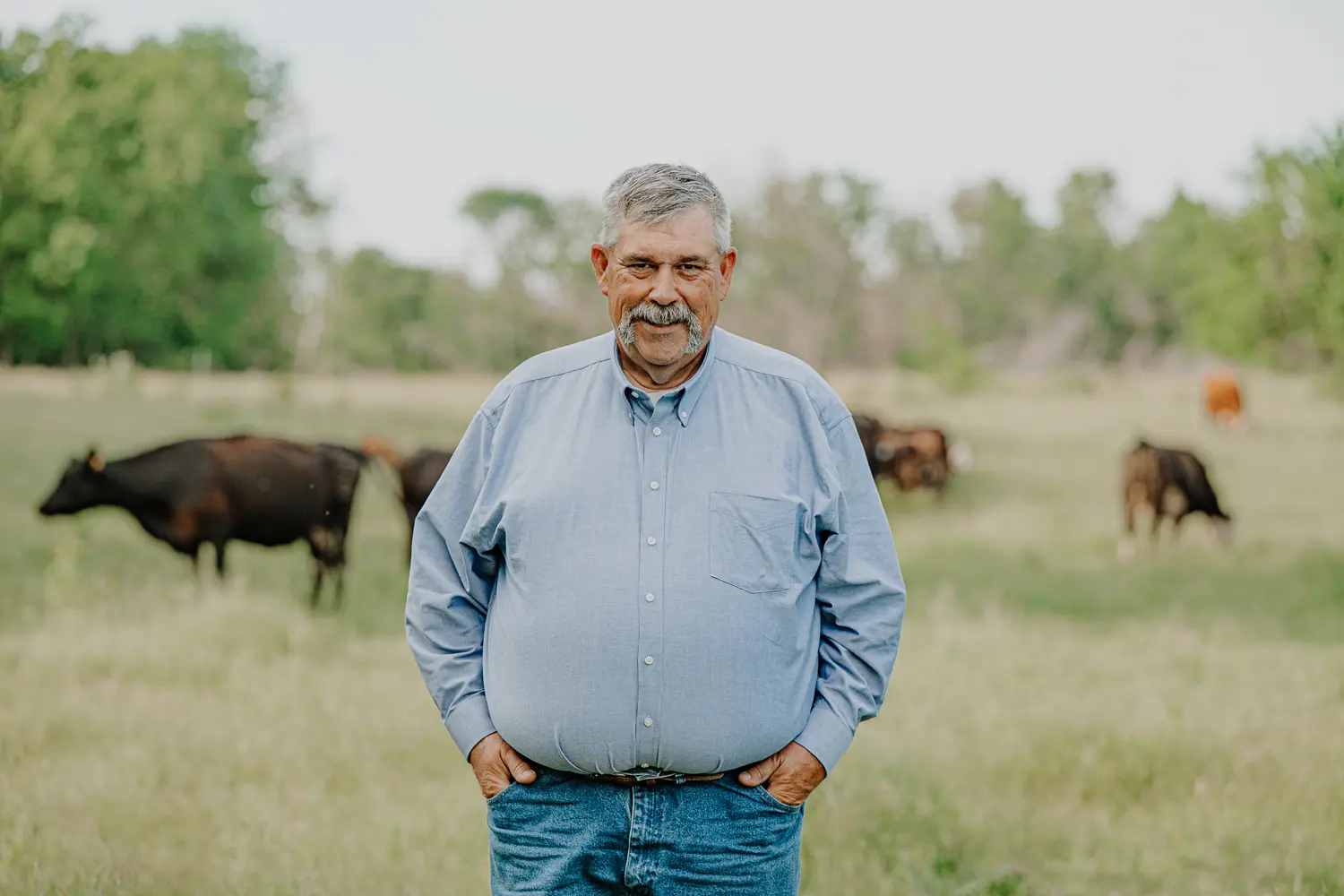
A Grassroots Leader
Published
6/1/2026
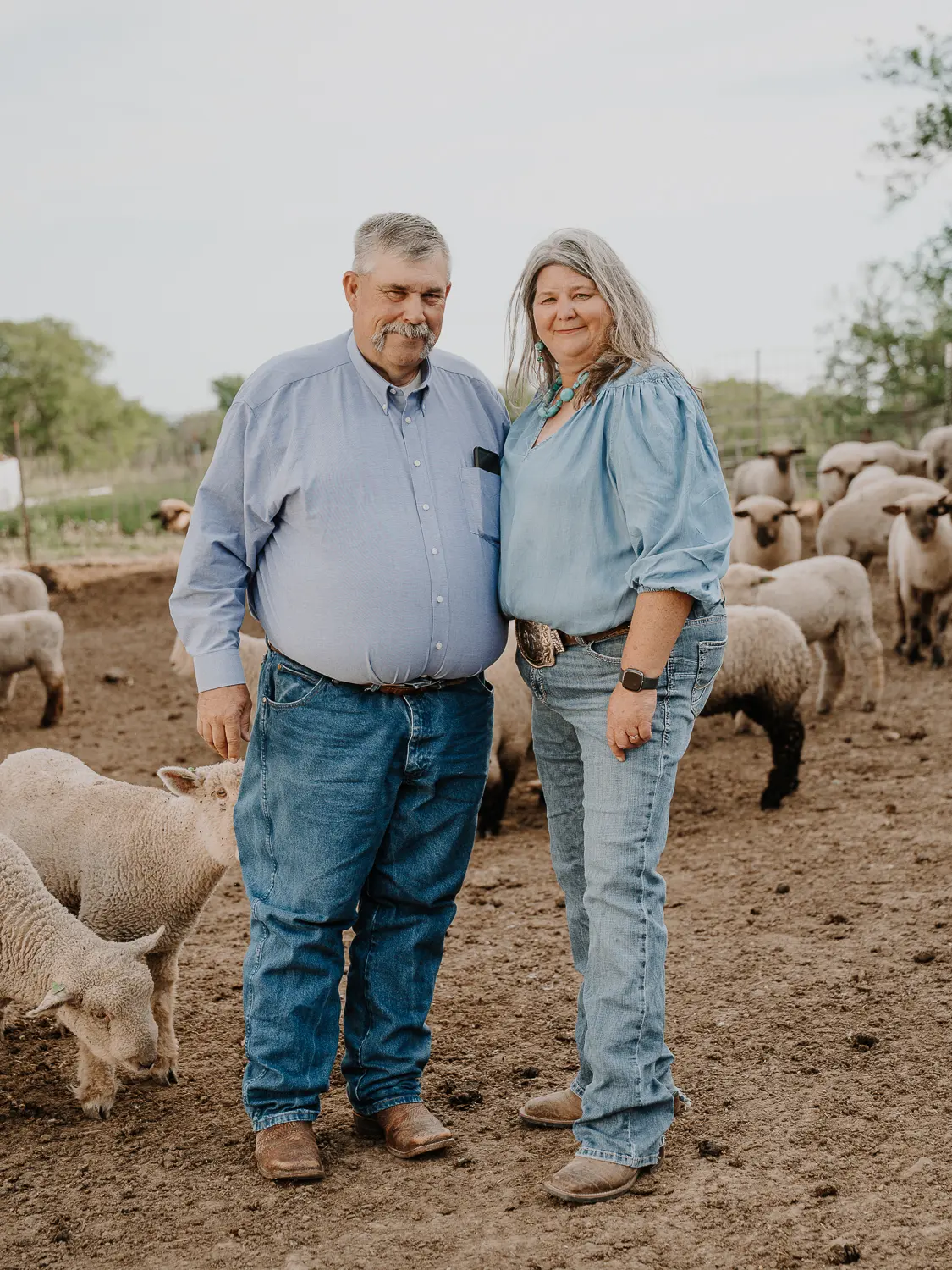
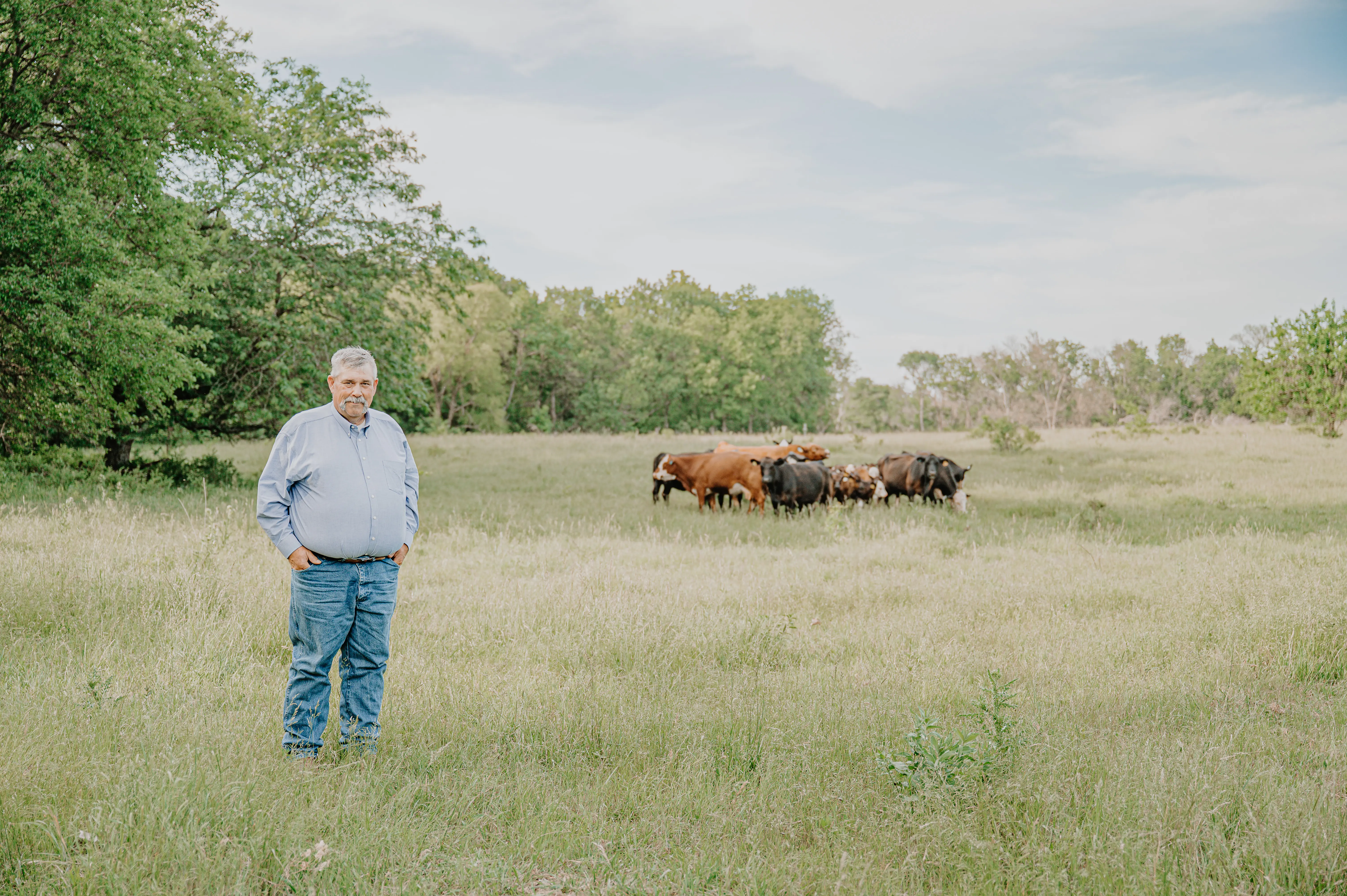
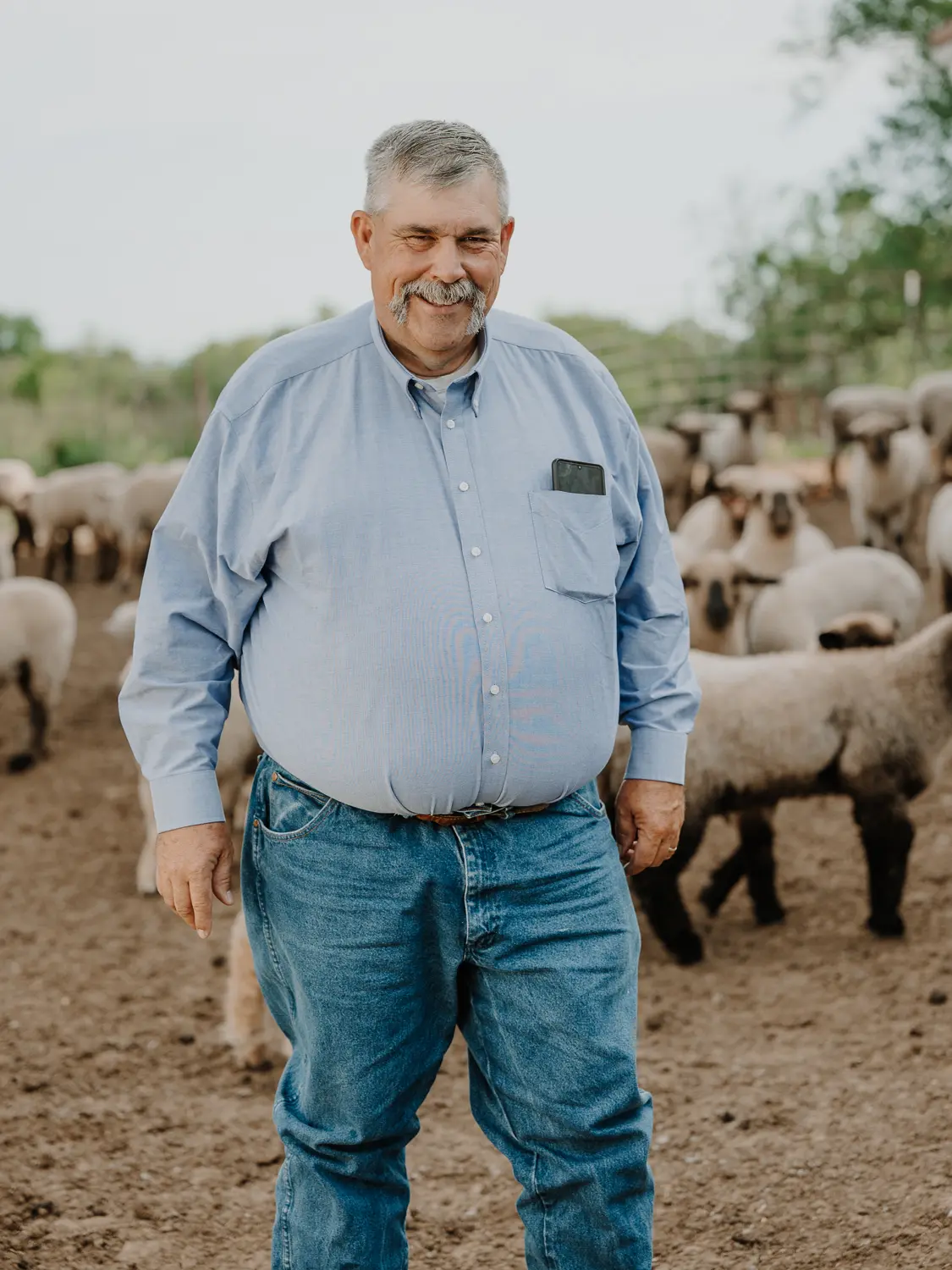
Glenn Brunkow, a fifth-generation farmer and stockman from Pottawatomie County, was selected by Kansas Farm Bureau’s Board of Directors to serve as president of the organization after former president Joe Newland’s resignation to seek political office. He had been vice president since 2023. He previously served as 1st District Director representing Atchison, Brown, Jefferson, Pottawatomie, Jackson, Shawnee, Leavenworth, Wyandotte and Doniphan counties.
Brunkow began his Farm Bureau leadership as a board member in Pottawatomie County Farm Bureau in 1999. He graduated from Kansas State University with a bachelor’s degree in agricultural economics in 1993 and a master’s degree in agronomy in 2011.
He and his wife, Jennifer, have two children, Tatum and Isaac.
Q: What does this position mean to you?
A: Serving as president of Kansas Farm Bureau is a tremendous honor, and I’m grateful for the opportunity to lead this great organization. Farming and ranching are the backbone of our state, and I look forward to working alongside farm and ranch families to strengthen our organization, advocate for rural communities and ensure a strong future for Kansas agriculture.
Q: What are you most excited about in your role as president?
A: I’m most excited to get out and meet our members — attending annual meetings, going to events and really connecting with people. When I first became a district board member, I was surprised by how much I enjoyed being with members, talking with them and getting to know them. That connection is the heart of this job.
Q: How do you see your role in relation to the members?
A: My commitment is to keep this a grassroots organization where members are the most important part of everything we do. Their ideas, thoughts and needs come first. I want to ensure everything we do is for the counties and for the members — and that it starts with them.
Q: What are the top issues you see for farmers and ranchers right now?
A: The biggest concerns are the cost of inputs and overall profitability. That covers everything from getting more for our crops to keeping fertilizer and fuel costs in line. I’m also very concerned about mental health. Farmers and ranchers tend to keep everything inside, and these are tough times. It can really wear on a person, so we need to make sure everyone is cared for. Another key issue is taxes — we need to ensure we’re not paying more than our fair share.
Q: What do you most want consumers to understand about farmers and ranchers?
A: I want consumers to know we do everything we can to provide the best quality, most nutritious food possible. At the same time, we care deeply about the health of our animals, soil, air and water. We’re thinking about the next generation every day. I want people to understand how much we care, how much effort goes into the food on their table and how seriously we take our responsibility to natural resources.
Q: Tell us about your family and the next generation on your farm.
A: Jennifer and I are lucky that both of our kids want to come back to the operation in some capacity. We’re working with both of them on charting a path to return to the farm when the time is right for all of our family. To me, there’s no other reason to do this if we can’t bring them back and create a sixth generation on the farm. They already come home for most of their vacation time to help, and it’s incredibly rewarding to start handing things off to them.
Q: What are your children doing now, and how will that help the farm?
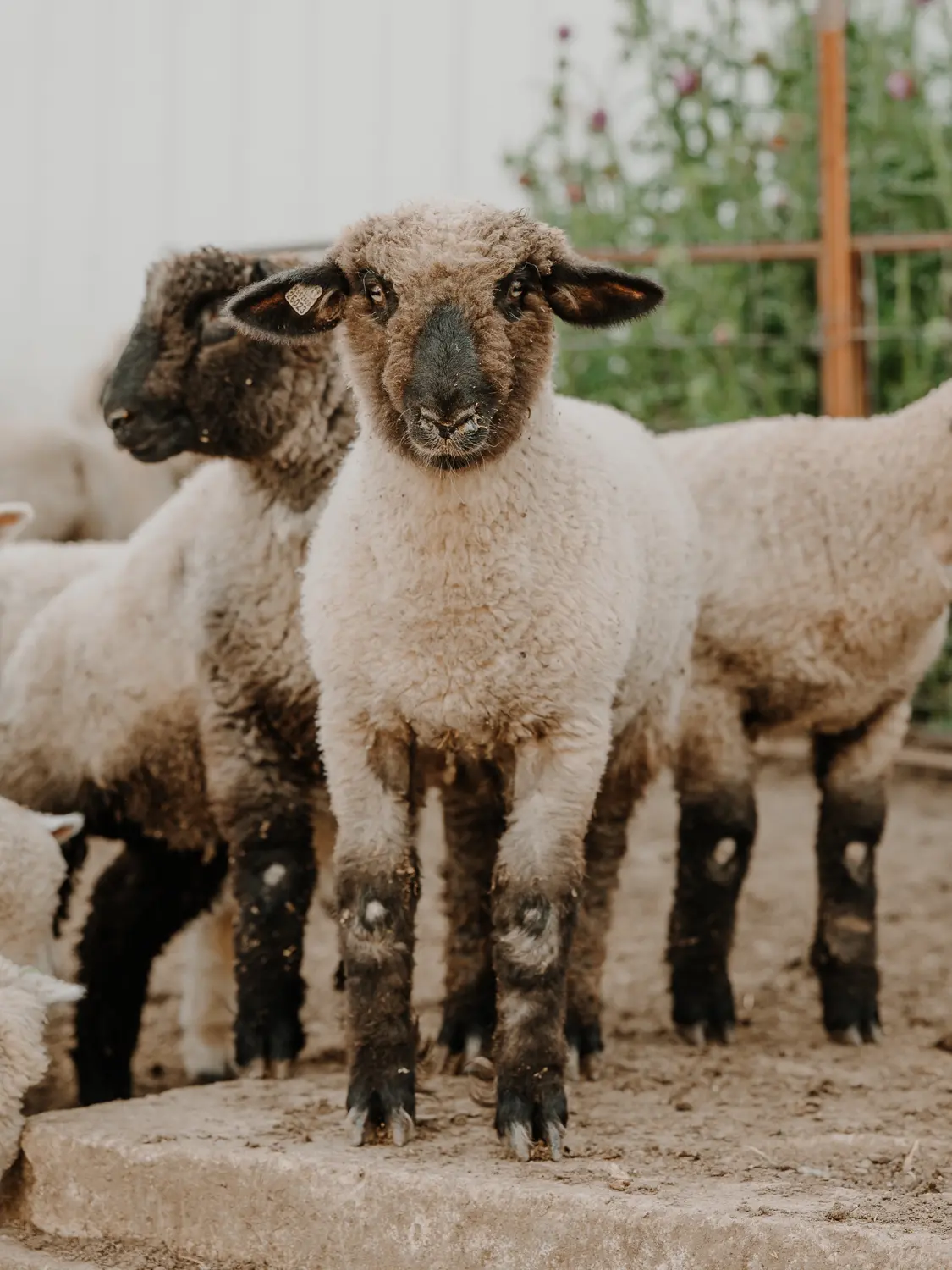
A: Our son, Isaac, is in Clay Center, Neb. He’s the sheep unit manager at the U.S. Meat Animal Research Center. Our daughter, Tatum, is a legislative aide for Sen. Jerry Moran. Both roles are building skills that will be valuable when they come back. They’ve developed strong talents away from the farm that will help us manage and grow the operation in the future.
Q: What does “sustainability” mean to you?
A: On a very practical level, sustainability means I can make my payments in December and my banker lets me do this again next year. But beyond that, to me, sustainability means taking care of what we have — preserving the soil, air and water and ensuring the land is at least as good as, if not better than, when we received it. It’s about making sure this farm or ranch can continue for another year, another decade and another generation.
Q: How do you see the future of agriculture?
A: Agriculture has changed so much in just the last five to 10 years — more than I ever could have imagined. I expect we’ll see even more technology and, in some cases, larger farming operations. At the same time, some of us will need to find niche markets and new ways to fit into the broader landscape. Farmers and ranchers will have to be creative, lean into their individual talents and probably take on more technology.
Q: As president, what message do you want to share with Farm Bureau members?
A: I want members to know how deeply committed I am to them and this organization. I’m humbled and honored to serve in this role. I see myself as the lowest person in the organization, not the highest since we’re a grassroots organization. Everything I do comes from how much I care for this organization and how proud I am to be part of it. Members come before I do — always.