Connections That Last: Collegiate Fellows Program Builds More Than Mentorships
Author
Published
4/13/2026
For students navigating the early stages of their careers, the right connection can make all the difference. Through the Kansas Fam Bureau Collegiate Fellows Program, those connections are turning into something much more — meaningful mentorships, career opportunities and lasting relationships.
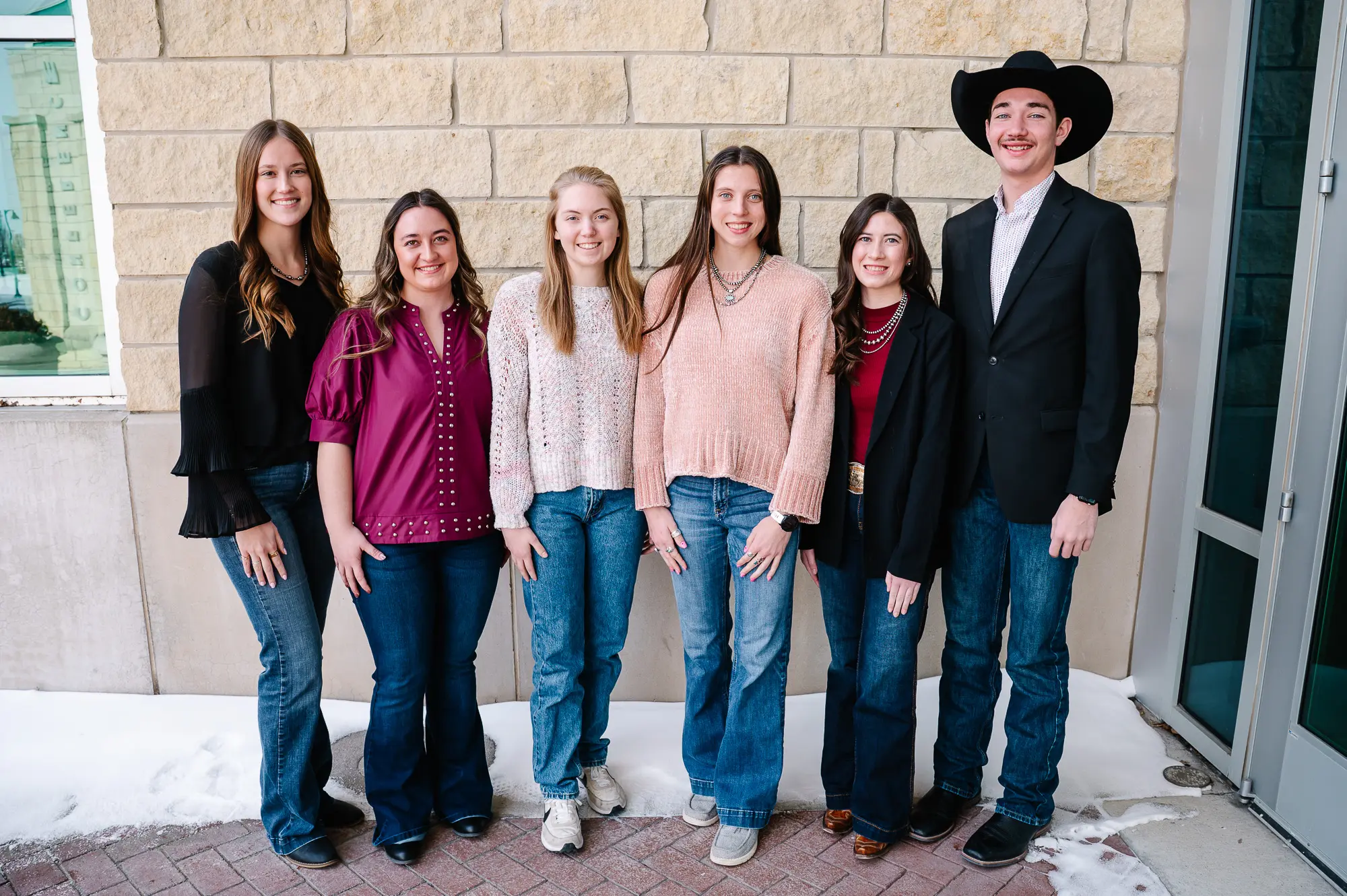 The 2025-26 Cohort of Kansas Farm Bureau Collegiate Fellows. From left: Abigail Graham, Fort Hays State University; Emily Dryden, Garden City Community College; Amelia Behrends, Allen Community College; Amelia Foster, Fort Hays State University; Mackenzie Malson, Kansas State University; Nicholas Zerr, Fort Hays State University
The Kansas Farm Bureau Collegiate Fellows program provides students with opportunities for leadership development, mentorship and hands-on learning throughout the academic year. Fellows are paired with industry mentors, connect monthly and gain insight into Farm Bureau while building professional skills and networks.
“The goal of the Collegiate Fellows program is to provide students with meaningful connections and experiences that prepare them for their future,” says Lauren Gabriel, Young Farmers and Ranchers and collegiate program manager.
The 2025-26 cohort of Collegiate Fellows are seeing the impact the program is having, especially with the guidance the program’s mentors offer. These intentional, one-on-one monthly conversations create space for students to grow both personally and professionally with a mentor paired specifically for them.
For Nicholas Zerr, a sophomore at Fort Hays State University studying physics and pre-engineering, the experience has been nothing short of transformative. Paired with Craig Reed, a senior engineering manager at Great Plains Manufacturing, Zerr gained a firsthand look at what a future career could hold.
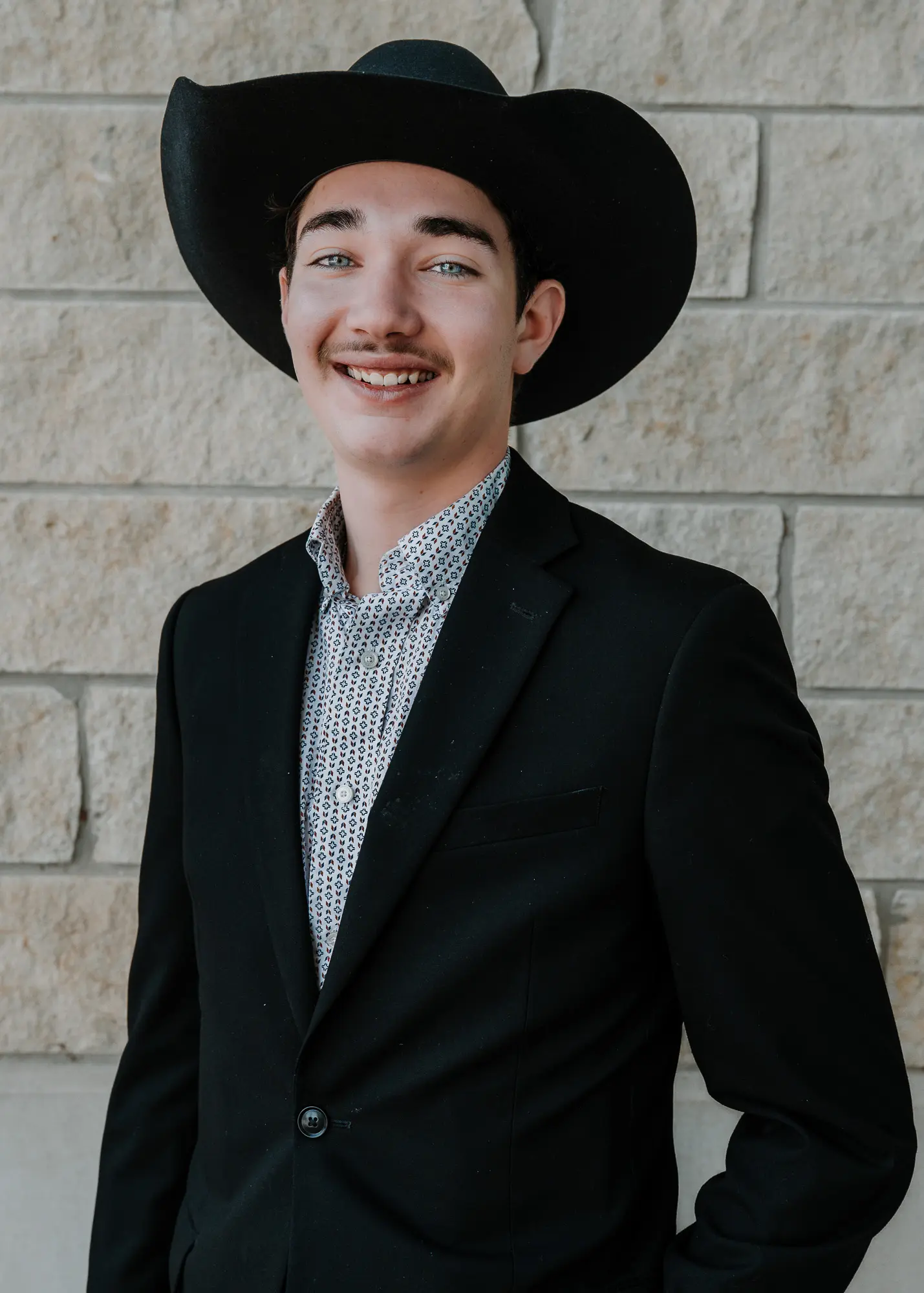 Nicholas Zerr, 2025-26 KFB Collegiate Fellow from Fort Hays State University
“The biggest moment that stood out for me was the site tour he took me on,” Zerr says. “I have never gotten to go and see big manufacturing facilities like that.”
Beyond the experience itself, those conversations helped shape his next steps. Through the mentorship with Reed and guidance from the program’s curriculum, Zerr secured an engineering internship for the summer and opened doors for future opportunities.
“I can confidently say this relationship helped me grow professionally,” Zerr says.
That kind of growth is a common theme among the Collegiate Fellows this year.
Emily Dryden, a sophomore at Garden City Community College, found clarity in her career path through her mentor Suzanne Ryan-Numrich with the Kansas Department of Agriculture.
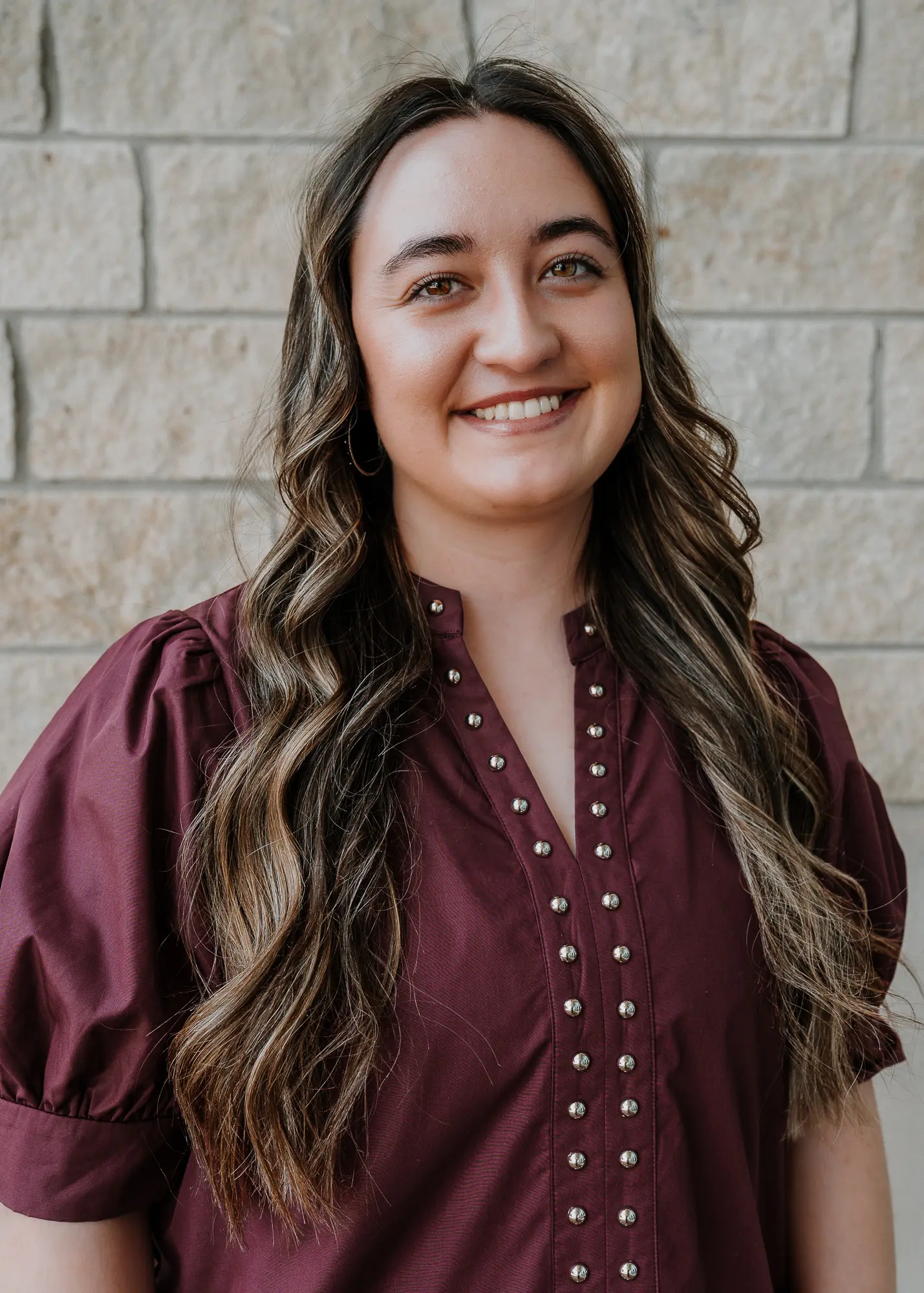 Emily Dryden, 2025-26 KFB Collegiate Fellow from Garden City Community College
“When I was unsure about which internship to pursue, Suzanne and I talked through many options,” Dryden says. “As a result of that conversation, I accepted an internship at American Implement.”
For Dryden, the mentorship provided more than advice — it built confidence.
“She has helped me think more clearly about my goals and take steps toward achieving them,” she says.
Amelia Foster, a junior at Fort Hays State University, echoed that sentiment. Working with her mentor, Dusti Gallagher, president and CEO of Heartland Plant Innovations, Foster gained valuable insight into both professional development and personal balance.
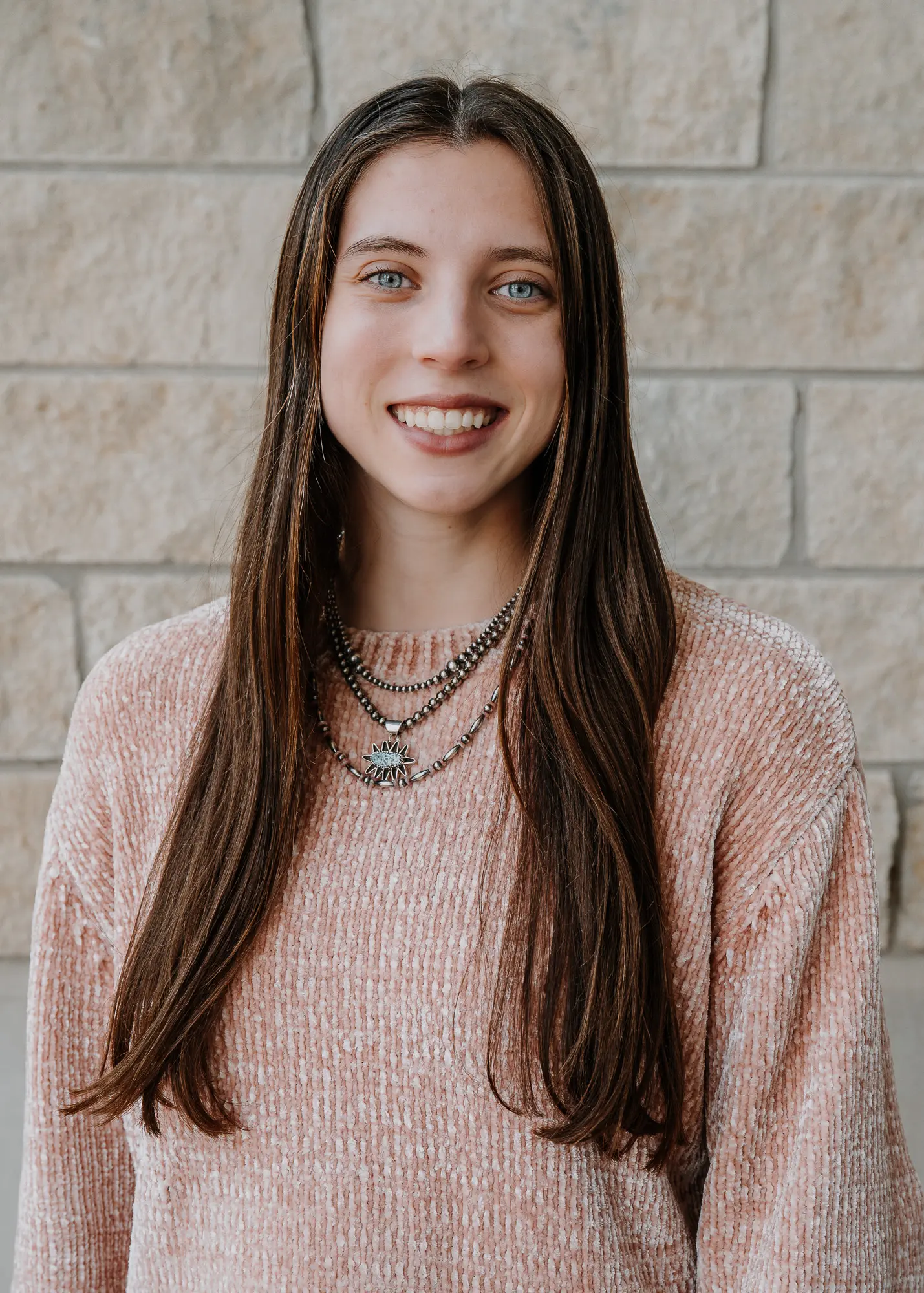 Amelia Foster, 2025-26 KFB Collegiate Fellow from Fort Hays State University
“One of the most notable conversations we had was about maintaining work life balance,” Foster says. “Those are conversations that will continue to serve me long after this program.”
Gallagher said the experience was equally meaningful from the mentor's side.
“I looked forward to our conversations each month,” she says, noting the value of building a genuine connection with her Fellow.
For many, mentoring is not just about guiding students — it’s also an opportunity to reflect and grow.
“Being a mentor has been a lot of fun,” says Jackie Garagiola, associate counsel with the Kansas Livestock Association, who mentored Mackenzie Malson, a senior at Kansas State University. “I enjoy meeting students who are passionate about the agriculture and livestock industry and offering insight to someone in a stage of life I was in not that long ago.”
Garagiola also emphasized the importance of these relationships for the future of agriculture.
“I think everyone needs a network they can rely on,” she says. “These types of connections help individuals, but they also strengthen the industry when we openly share perspectives and advice.”
The experience has also created moments of self-reflection for mentors.
“Talking through our conversations helped me become more aware of my own strengths and weaknesses,” Garagiola says. “I feel like I learned about myself just as much as I learned about my mentee.”
A key component of the program that set this year apart was the opportunity for Fellows and mentors to meet in person. Those face-to-face interactions strengthened relationships that began through conversations, making the connections feel more personal and impactful.
Across the board, Fellows consistently point to the program’s ability to open doors — not just to internships and career paths, but also to people who are invested in their success.
“The people you meet throughout this program are people who want to help you achieve your goals,” Zerr says. “You never know when you’re introducing yourself to a future employer, colleague or lifelong connection.”
As the Collegiate Fellows program continues to grow, one thing is clear: it’s not just about mentorship — it’s about building a community.
A community where students are supported, professionals are engaged and the future of agriculture is strengthened.
To learn more about Kansas Farm Bureau’s Collegiate Fellows program, visit www.kfb.org/collegiatefellows.