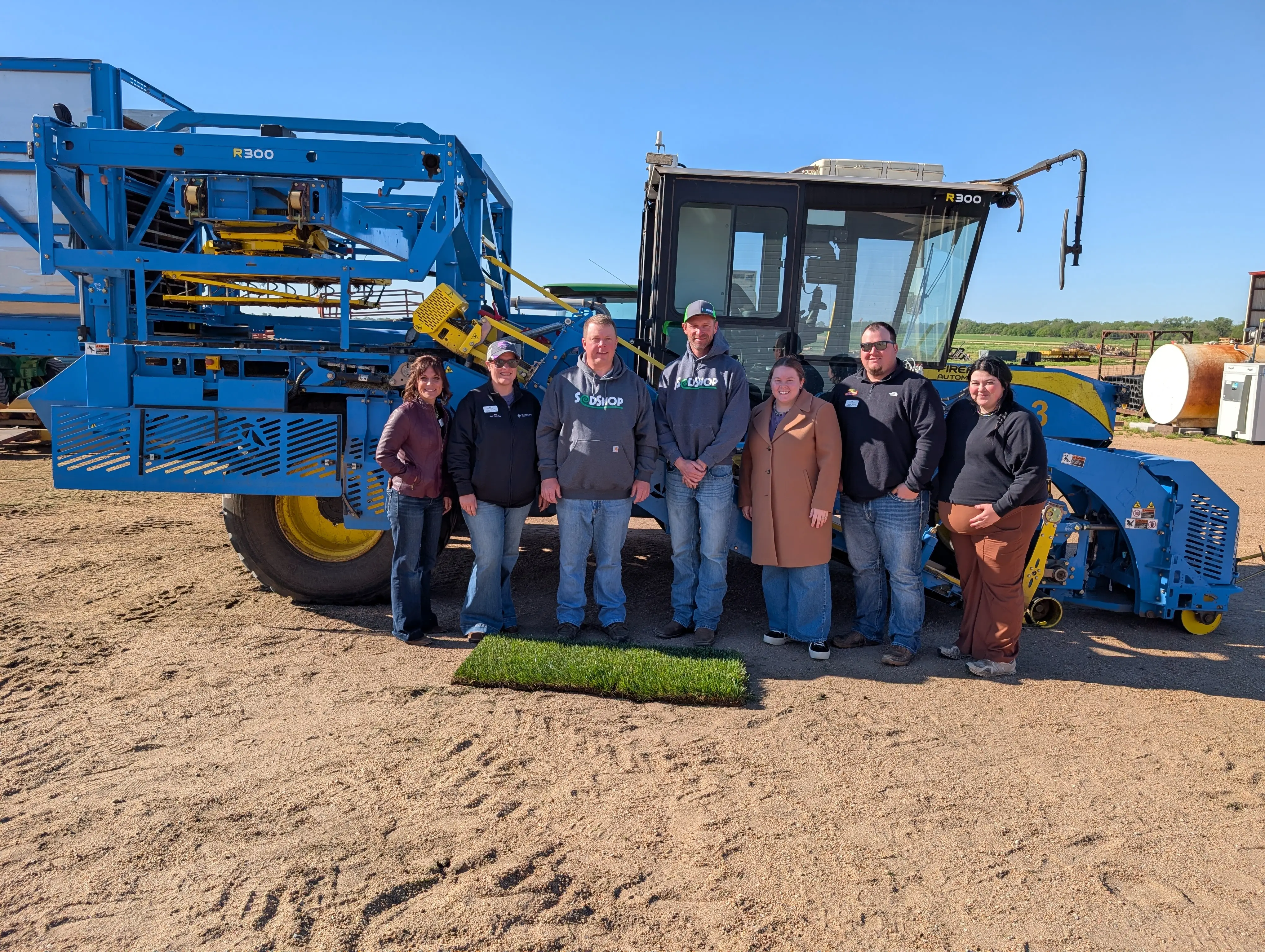
Leadership KFB Capsule 3: Innovation is Big (And Small)
Author
Published
4/29/2026
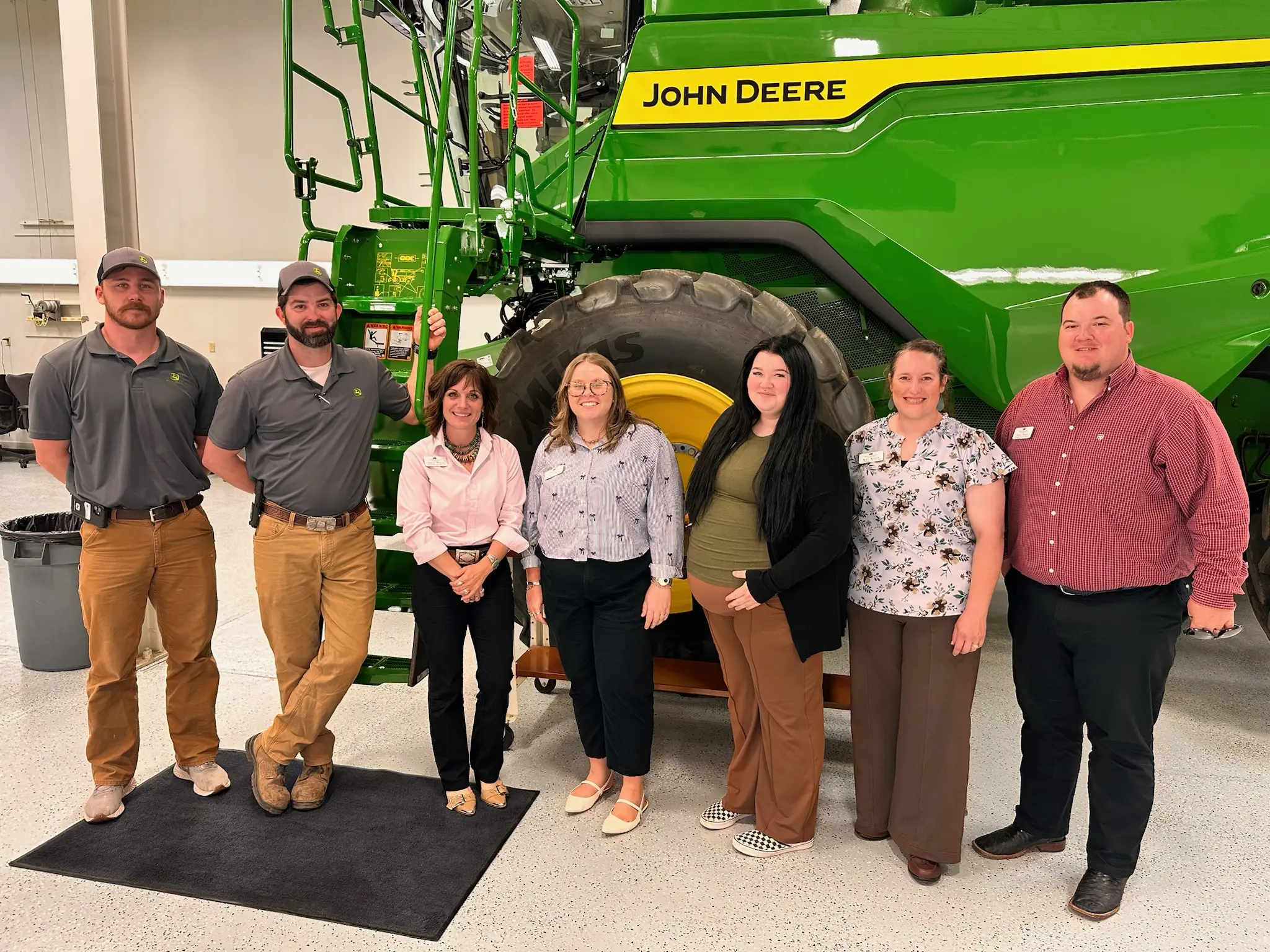
The theme for session three of Leadership KFB was innovation in agriculture. With stops planned at Cargill, John Deere Training Center, Wichita State Innovation Campus and Intrust Bank, as well as meeting with other industry leaders, I was excited to see what we had in store.
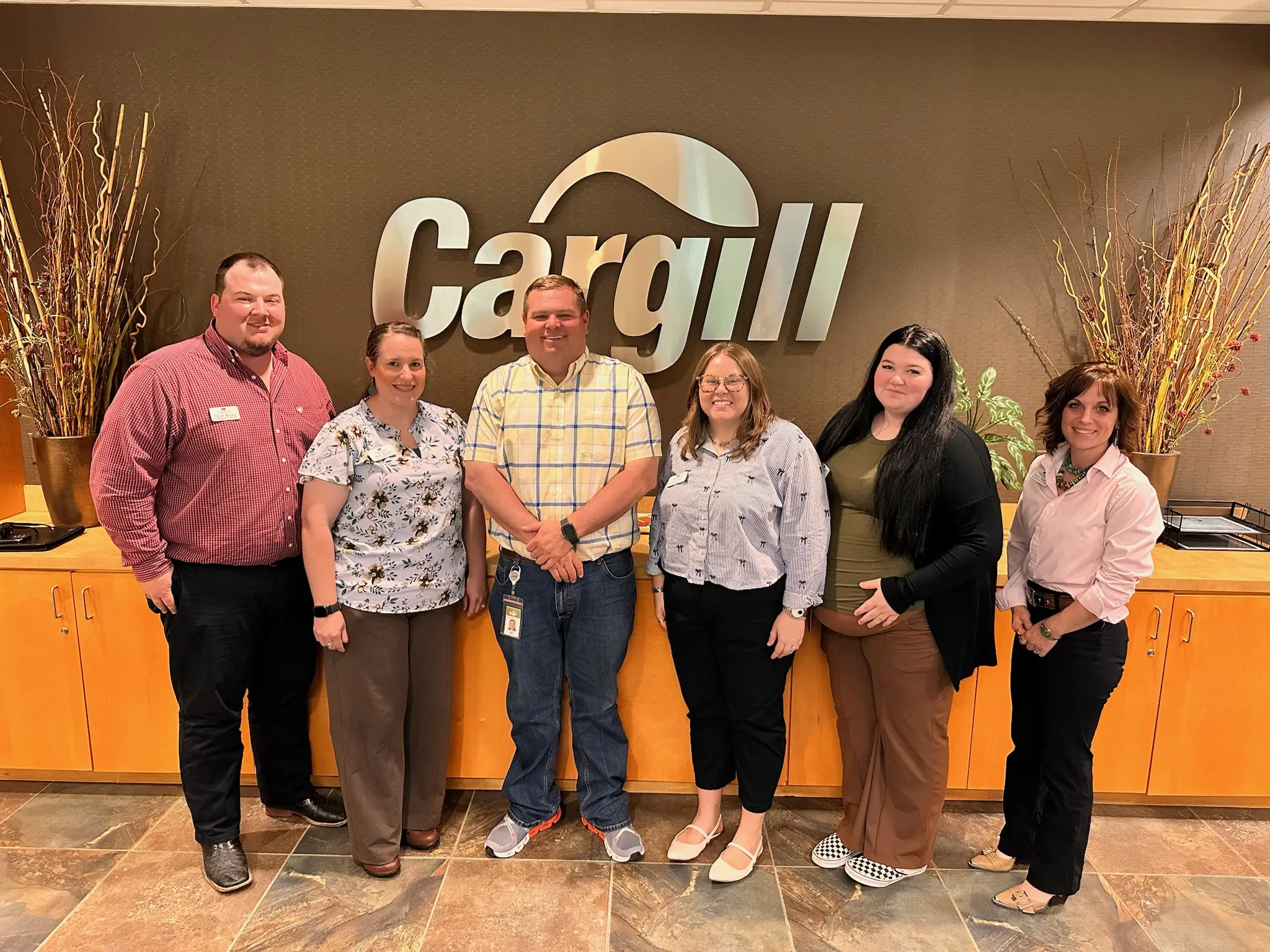
While we were on our first stop at Cargill with Kyle “Fuzzy” Nichols in international product development, I was impressed to hear his perspective of innovation from an international standpoint. He spoke on the importance of tailoring marketing for different customers, different regions and different countries. Even something as simple as the equipment they had out during kitchen tours as a nod to the company’s branding. It isn’t just big and extravagant moves, but also little notions that have helped them become and continue to be one of the international leaders in the food space.
At Wichita State University’s Innovation Campus, we had the privilege of meeting with Deb Franklin, assistant vice president in strategic initiatives and industry engagement. Deb was incredibly insightful and had a way of making profound comments in a manner that was accessible and almost always had a touch of humor to them. When we started our walking tour of the campus, she made a comment that stuck out to me, “It’s going to look messy. It’s going to look incomplete. But that’s the beauty of innovation.”
Innovation is one of those funny things we tend to put a lot of weight on. We dream up these ideas of flashy changes, huge improvements and earth-shattering findings that change the world, but when we take a step back, it becomes easier to see small moments can lead to greater impact. Innovation, at its core, is simply just making practical changes to a product, service or process that leads to positive differences. When you break the idea of innovation down, it becomes evident it is the same goal of Kansas Farm Bureau and its programs like Leadership KFB. Incrementally, small changes are made that ripple out and create widespread progress. It may seem slow at first, but as it continues to create change, the lasting improvements become more noticeable.
The same can be said about leadership in our rural communities. We tend to put these serious parameters and constraints on who can be a leader and not recognize leadership more as an action and less as a title. You don’t have to sit on a board, be elected to a position or be appointed to something to be a leader in your community. More importantly, you don’t have to be perfect. Just have a willingness to utilize your talents and skills in a way that can positively impact your community. Innovation doesn’t always feel like research labs or huge corporations. Sometimes it’s neighbors solving problems together, adapting, trying again and moving forward anyway.